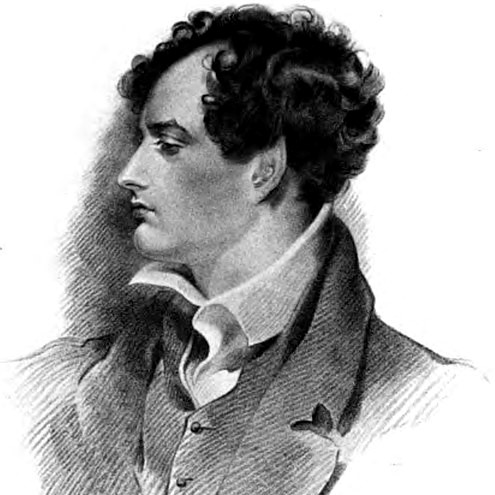
Lord Byron in Ravenna

The Story of Lord Byron in Ravenna

The story of Lord Byron in Ravenna is a fascinating intertwining of love, literature, and political engagement, which left an indelible mark on the city and on the poet’s life. George Gordon Byron, the sixth Baron Byron, is a legendary figure of English Romanticism, a man of complex and rebellious character who found in Ravenna a refuge, a muse, and a greater purpose in the fight for freedom.

The Meeting with Teresa and Arrival in Ravenna

In 1816, Byron left England, weary of scandals and the rigid societal norms that pursued him. Settling in Italy, he initially lived in Venice, where he met the young Countess Teresa Gamba Guiccioli, a woman of extraordinary beauty and intelligence. Teresa was married to Count Alessandro Guiccioli, a man much older than she, but her connection with Byron was immediate and overwhelming. Their relationship scandalized the aristocracy of the time, but this did not stop Byron from following her to Ravenna in 1819.

In Ravenna, Byron took up residence in Palazzo Guiccioli, the home of Teresa’s family, where he found an environment that profoundly stimulated his creativity. The city, with its charm steeped in history and art, became the ideal setting for one of the most intense phases of his life.

A Period of Literary Fervor

Byron’s stay in Ravenna was one of the most productive periods of his career. His relationship with Teresa and the unique atmosphere of the city fueled his inspiration, leading him to compose some of his most celebrated works. Among these are Don Juan, an epic and ironic poem reflecting his views on life and society, and The Prophecy of Dante, an homage to the greatness of Italian culture.

Ravenna, with its sparkling mosaics and ancient basilicas, offered Byron a spiritual and intellectual haven. Here, he found the time and tranquility necessary to dedicate himself to writing, while living in the midst of a passionate relationship and a turbulent political climate. The city, once the capital of the Western Roman Empire, with its glorious past, became a symbol of strength and beauty, reflected in Byron’s works.
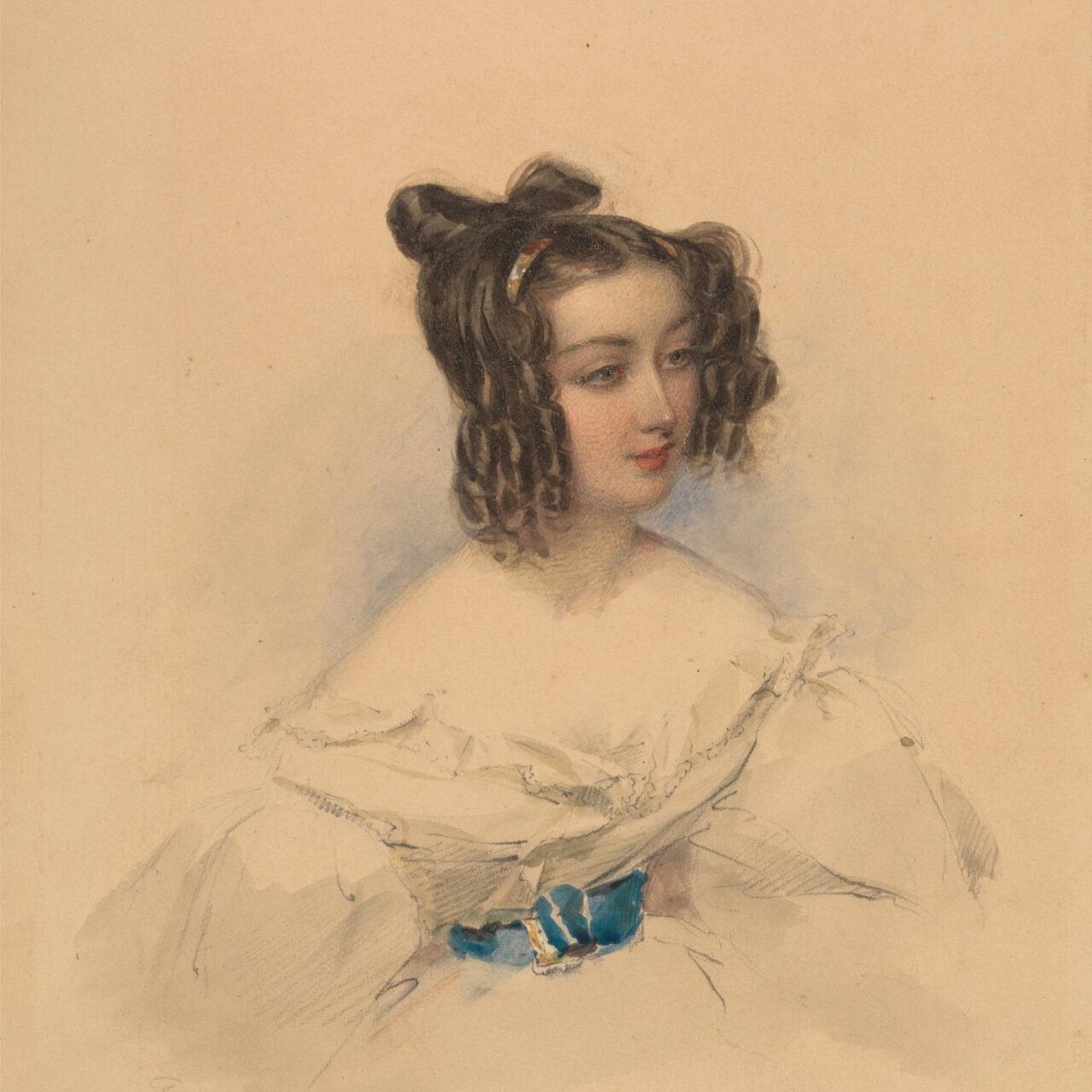
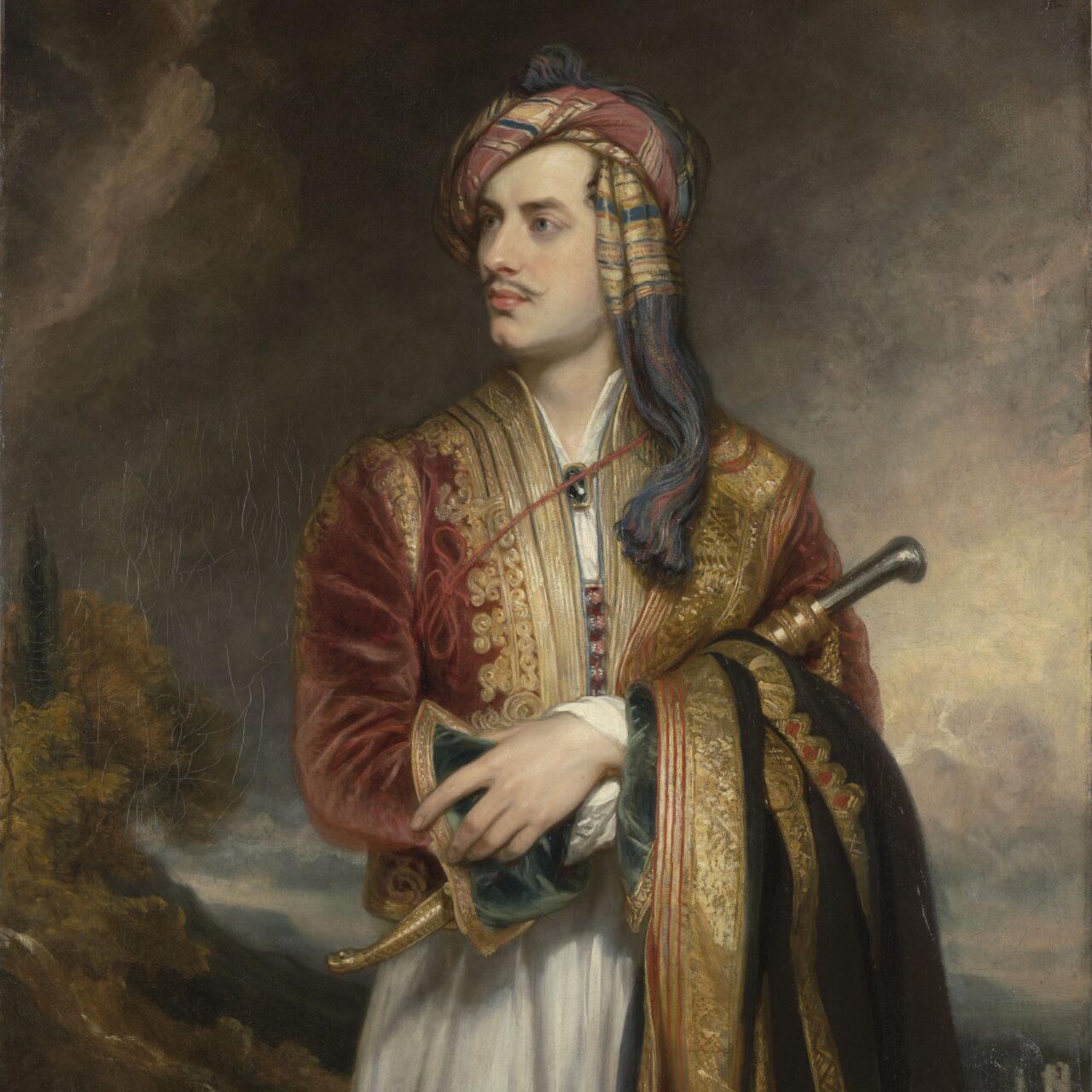
“Italia! Oh Italia! thou who hast / The fatal gift of beauty, which became / A funeral dower of present woes and past, / On thy sweet brow is sorrow plough’d by shame.”
LORD BYRON


Political Engagement and Dreams of Freedom

But Byron was not just a poet. His rebellious spirit led him to take a deep interest in Italian political affairs. During his stay in Ravenna, he became involved with the Carbonari, a secret society fighting for Italy’s independence and unification. Byron did not limit himself to ideal support for the cause; he actively participated, offering his financial resources and risking his own safety.

His involvement with the Carbonari aligned with his vision of life and freedom. Byron, who had always despised oppression and injustice, found in this struggle a reflection of his Romantic ideals. His passion for the Italian cause made him not merely a spectator but an active participant in one of the most turbulent phases of the country’s history.

An Eternal Bond with Ravenna

Today, the connection between Byron and Ravenna is revived through the restoration of Palazzo Guiccioli, which houses the Byron Museum and Risorgimento Museum. This unique space tells the story of the poet and his relationship with Teresa, intertwining it with the historical and political context of the time. Original documents, personal objects, and multimedia installations offer visitors an immersive journey into Byron’s life and the period he spent in Ravenna.

The museum stands as a tribute not only to the poet’s greatness but also to his extraordinary humanity. The restored frescoes within the palace bring the 19th-century atmosphere back to life, allowing one to imagine Byron in his moments of inspiration, writing by candlelight or conversing with Teresa.

A Legacy that Lives On

The story of Lord Byron in Ravenna is that of a man who lived every aspect of life with intensity and passion. The city, with its eternal charm, became the place where the poet not only created some of his most significant works but also found a reason to fight and love without compromise. Ravenna was not merely a stop on his journey; it was a pivotal chapter in his personal and artistic evolution.

Visiting Ravenna today means not only immersing oneself in the city’s beauty but also walking in the footsteps of one of the greatest poets in history. His relationship with Teresa, his dedication to freedom, and his literary genius remain a living legacy that continues to inspire and captivate all who explore his story.

Please contact me to arrange your tour of Ravenna.