Ravenna and the 2025 Catholic Jubilee

The Catholic Jubilee or Holy Year is one of the oldest and most significant traditions of the Catholic Church, a moment of special grace for the faithful dedicated to penance, spiritual renewal, and reconciliation with God. Its roots lie in biblical traditions but have evolved over the centuries to address the spiritual needs of the Christian community.

Biblical Origins of the Catholic Jubilee

The concept of the Jubilee originates in the Old Testament. In the Book of Leviticus, a special year is described, celebrated every fifty years, during which slaves were freed, debts were forgiven, and land was returned to its original owners. This year, called “Yobel” in Hebrew, comes from the term referring to the ram’s horn used to announce the start of the Jubilee Year. The Yobel was a symbol of social justice, equality, and reconciliation, a time when the people of Israel returned to God to renew their faith.

The First Christian Jubilee

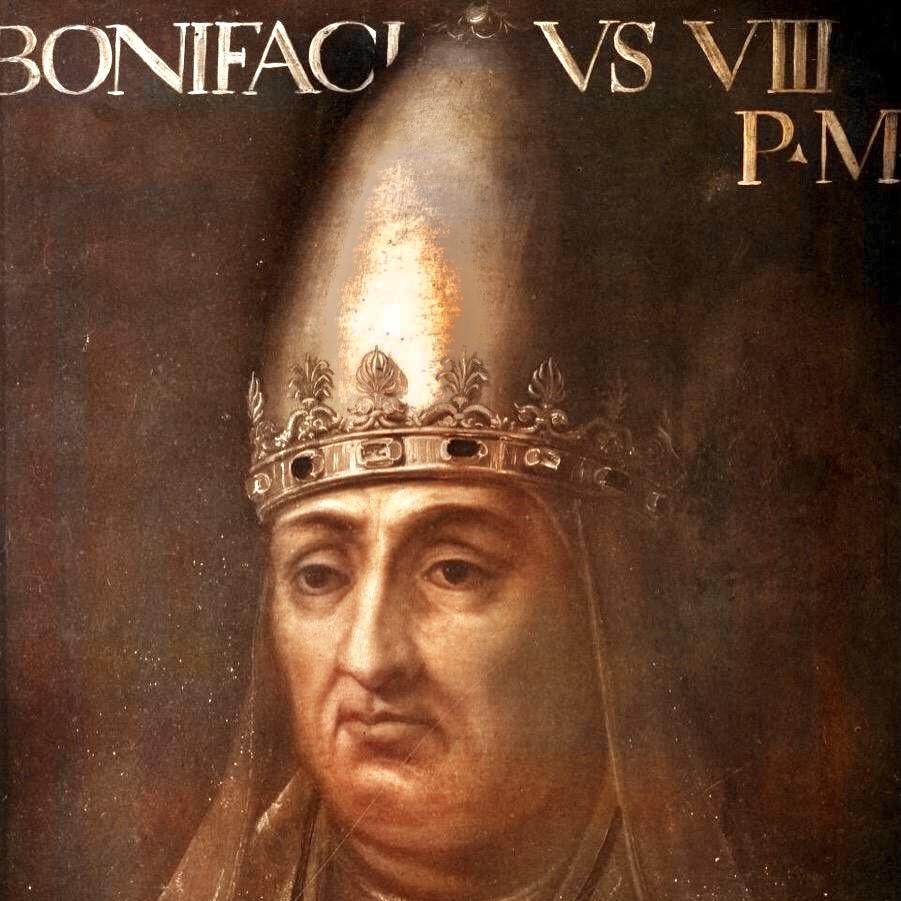
The first Christian Catholic Jubilee was established by Pope Boniface VIII in 1300. Inspired by the Jewish tradition, he proclaimed this Holy Year as a special period in which the faithful could obtain a plenary indulgence, meaning the remission of all temporal punishment for sins already confessed and absolved. The Jubilee offered a unique opportunity for reconciliation and spiritual renewal for the Christian community.

Frequency of Catholic Jubilees

Initially, Boniface VIII decreed that the Jubilee should be celebrated every 100 years, but this frequency was soon modified. In 1343, Pope Clement VI reduced the interval to 50 years. Later, Pope Urban VI in 1389 set it at 33 years, reflecting the years of Christ’s life, and finally, Pope Paul II in 1470 established the interval at 25 years, a tradition that continues today for ordinary Jubilees.

The Church has also proclaimed numerous extraordinary Jubilees for special occasions or to address specific themes. Among the most notable is the Jubilee of Mercy, proclaimed by Pope Francis in 2016, dedicated to divine mercy and forgiveness. These extraordinary Jubilees address particular needs of the Church and the world, offering the faithful additional opportunities for spiritual renewal.

Symbols and Rites of the Catholic Jubilee

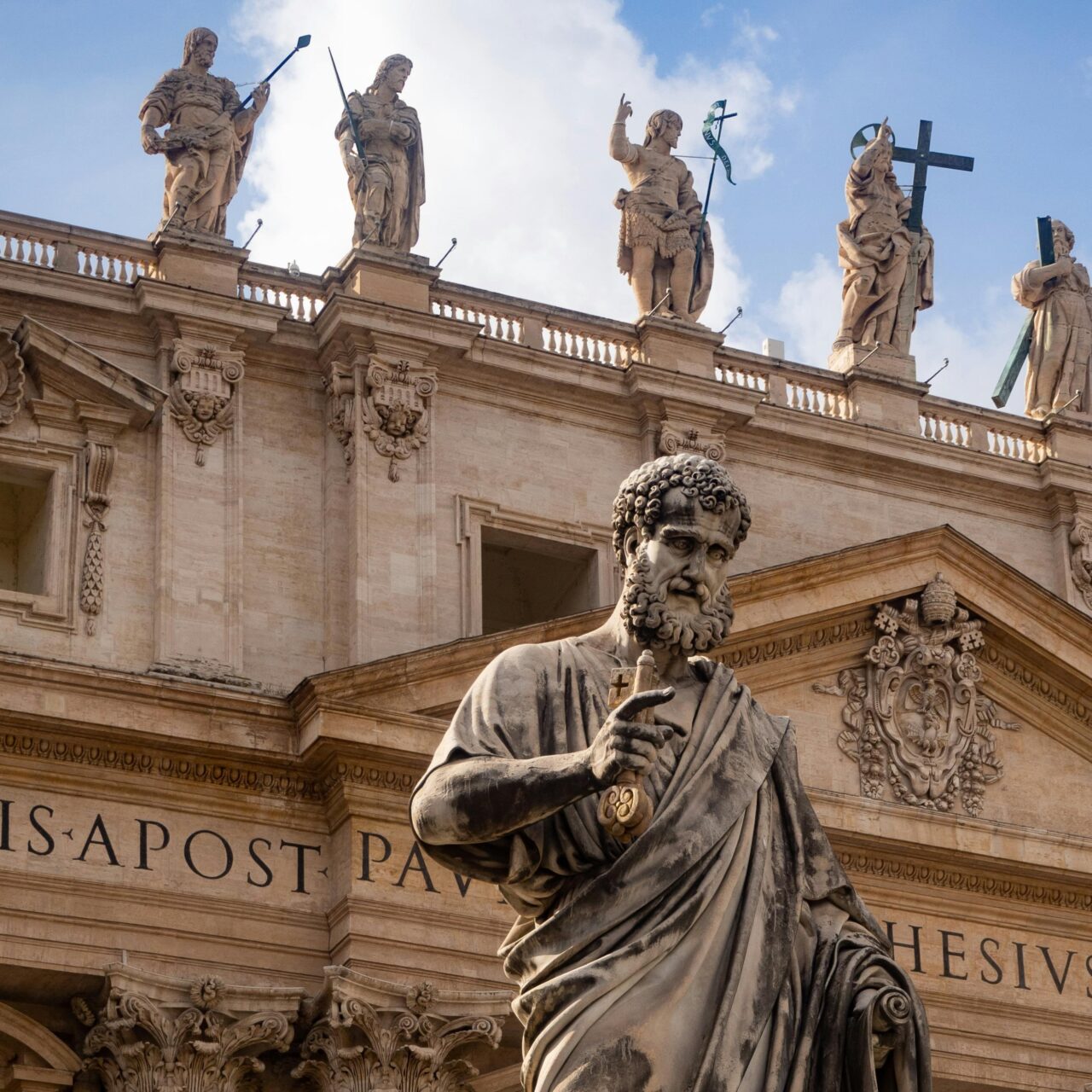
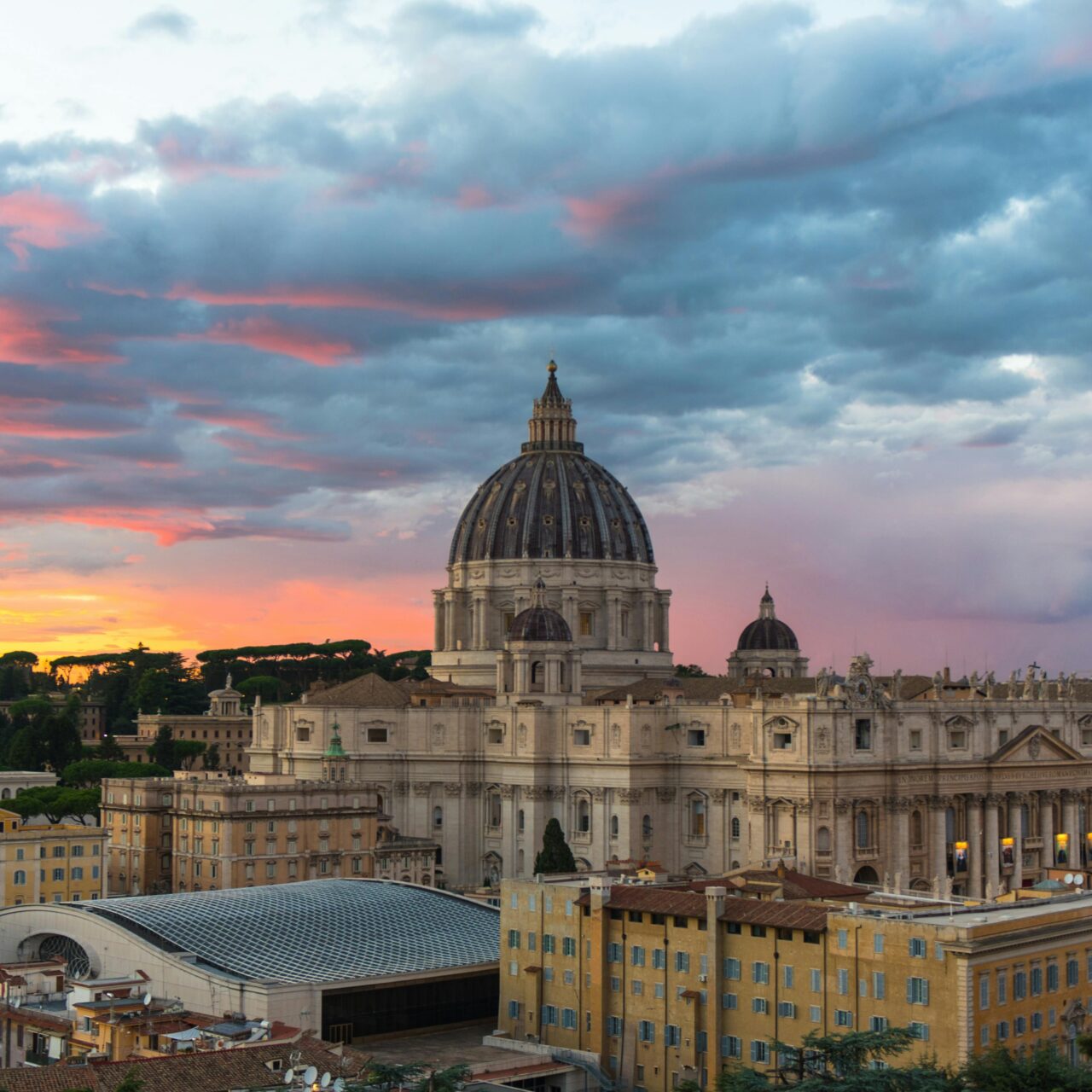
A distinctive element of the Jubilee is the opening of the Holy Door in the four major basilicas of Rome: St. Peter’s, St. John Lateran, St. Paul Outside the Walls, and St. Mary Major. The opening of the Holy Door symbolizes an invitation to the faithful to embark on a path of conversion and enter into communion with God. This gesture is accompanied by pilgrimages, confessions, and participation in Mass, visible signs of Jubilee grace.
This year, called “Yobel” in Hebrew, derives from the term that referred to the ram’s horn used to announce the beginning of the Jubilee Year.


The Jubilee of Hope 2025

The Jubilee of Hope was officially inaugurated on December 25, 2024. Proclaimed by Pope Francis, it was preceded by a papal bull titled Spes non confundit (Hope does not disappoint). This event unfolds in a global context marked by social and economic challenges and is designed to encourage reflections on the future, solidarity, and international cooperation. Among the key initiatives are pilgrimages to Rome and other symbolic locations, social and cultural activities, and the involvement of institutions to promote peace and justice.

Although Rome remains the focal point of the celebrations, it is worth noting that, historically, pilgrims have often extended their journeys to significant locations beyond the capital. This tradition continues in 2025, with numerous cities prepared to play a key role in visitors’ itineraries.

Ravenna: A Unique Cultural and Artistic Heritage

Among these cities, Ravenna stands out for its unique artistic and cultural heritage. Renowned for its Byzantine mosaics and its historical role in the Western Roman Empire, Ravenna is ready to welcome a significant number of visitors, offering not only masterpieces and monuments but also cultural events and themed itineraries.

Ravenna Mosaics for All

As part of the Jubilee of Hope 2025, the Diocese of Ravenna-Cervia has joined the Italian Episcopal Conference (CEI) project called “Jubilee for All”, aimed at making Jubilee itineraries accessible to everyone.

As part of this initiative, the project Ravenna Mosaics for All was developed. It includes the installation of tactile and multisensory panels in the main UNESCO-listed diocesan monuments, such as the Basilica of San Vitale, the Mausoleum of Galla Placidia, the Basilica of Sant’Apollinare Nuovo, the Neonian Baptistery, the Chapel of Saint Andrew, and the Archiepiscopal Museum. These tools are designed to enhance the experience for visitors with disabilities, providing accessible and inclusive paths.

The project was officially presented on July 19, 2024, during the feast of Saint Apollinaris, patron saint of the city of Ravenna and the Emilia-Romagna region. During the event, guided tours, workshops, and itineraries were offered to all, following the principles of “universal accessibility.”

The Ravenna Mosaics for All initiative not only enriches the cultural offerings related to the Jubilee but also represents an opportunity to promote awareness and enjoyment of the city’s artistic heritage by a broader and more diverse audience.

As a Ravenna tour guide, I will take you on a journey to discover the city’s most iconic places, exploring its history, art, and the stunning mosaics that make it unique.

Please contact me to arrange your private tour of Ravenna.